

Trying to judge whether a product is well designed? The Dieter Rams ten principles of good design give you ten tests, from useful and honest to “as little design as possible.”
If you are new to the field, start with what is industrial design for the wider context.
| Item | Value |
|---|---|
| Principles in the set | Ten |
| Dieter Rams born | 1932, in Wiesbaden, Germany |
| Year he applied for a job at Braun | 1955 |
| Head of design at Braun | From 1961, held for 34 years |
| When he began formulating the principles | Late 1970s |
| 606 Universal Shelving System launched | 1960 |
These figures come from Vitsœ’s profile of Rams and Vitsœ’s good design page. Figures can change or be revised, so check the source before you rely on them.
Where the ten principles came from
Dieter Rams was born in Wiesbaden, Germany, in 1932 and applied for a job at the electrical products company Braun in 1955. According to Vitsœ’s profile, he was appointed head of design there in 1961, a position he held for the following 34 years.
In the late 1970s, Vitsœ says, Rams grew concerned about “an impenetrable confusion of forms, colours and noises” in the world around him. Aware that he was a significant contributor to it, he asked himself a plain question: is my design good design? The ten principles are his answer, as Vitsœ explains.
He later boiled the set down to a shorter phrase, “Less, but better”, as the same Vitsœ profile notes. Vitsœ also describes him as one of the most influential industrial designers of the 20th century.
The ten principles at a glance
Each principle starts with the words “Good design” and finishes with a short test. The summaries below are shortened paraphrases, so read Rams’s full wording on Vitsœ’s page if you want to quote him.
- Is innovative. New technology keeps opening new opportunities, but innovation develops in tandem with technology and is never an end in itself.
- Makes a product useful. A product is bought to be used, so its design should serve functional, psychological and aesthetic needs and drop whatever detracts from them.
- Is aesthetic. Everyday products affect our well-being, and only well-executed objects can be beautiful.
- Makes a product understandable. It clarifies the product’s structure and, at best, is self-explanatory.
- Is unobtrusive. Products that fulfil a purpose are like tools, so their design stays neutral and restrained.
- Is honest. It does not make a product seem more innovative, powerful or valuable than it is.
- Is long-lasting. It avoids being fashionable and therefore never appears antiquated.
- Is thorough down to the last detail. Nothing is arbitrary or left to chance, and care shows respect for the user.
- Is environmentally friendly. It conserves resources and limits physical and visual pollution across the product’s lifecycle.
- Is as little design as possible. Less, but better, because the product concentrates on the essential aspects.
How the ten principles fit together
The list reads more clearly in groups. The first group is usefulness: a product should be useful, understandable and aesthetic, because Vitsœ quotes Rams saying that aesthetic quality is “integral to its usefulness.”
The second group is restraint: unobtrusive, honest and as little design as possible. A neutral product leaves room for the user’s self-expression, and a product that makes no false promises earns trust.
The third group covers time and responsibility: long-lasting, thorough and environmentally friendly. In 1976 Rams gave a speech in New York titled “Design by Vitsœ” in which he spoke of an “increasing and irreversible shortage of natural resources,” according to Vitsœ’s profile.
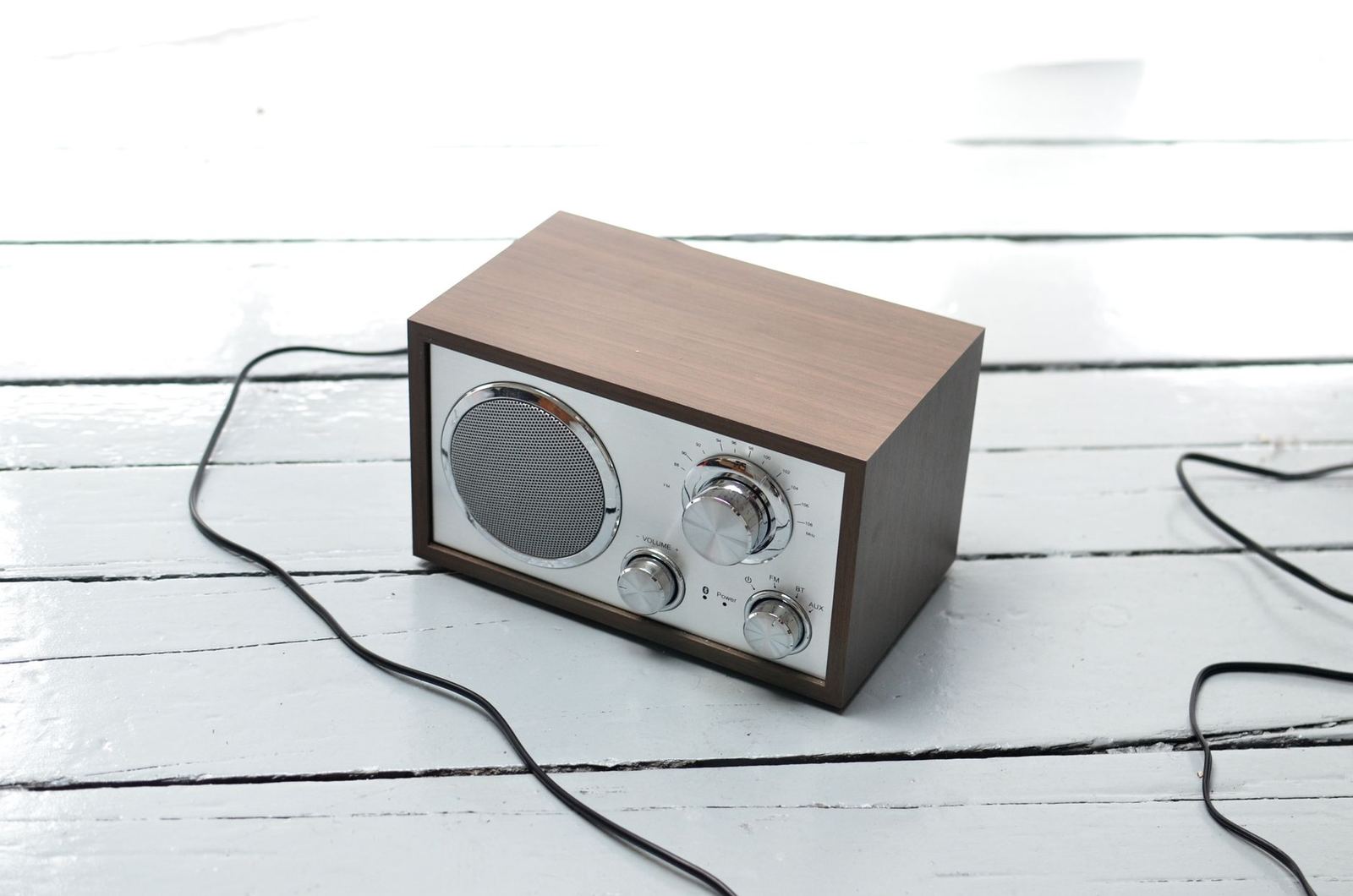
Real products show the groups overlapping. The same profile says the 606 shelving system was designed to accommodate the size of the Braun Audio 1 compact hi-fi system, so that the two could sit together as a considered whole. It also says Rams added a clear perspex lid to the SK 4 radiogram in 1956, a detail so unexpected that the product earned the nickname “Snow White’s coffin.”
Do the principles still apply to web and digital design?
The Interaction Design Foundation argues that the principles remain valuable guidelines for anyone working in design, not only industrial designers. Its article, Dieter Rams: 10 Timeless Commandments for Good Design, translates several of them to screens.
The warning it draws from the first principle is that digital teams can innovate for the sake of innovation. Its practical advice for making interfaces useful includes:
- Make buttons look like clickable buttons, so the interface shows the user what it does.
- Avoid building unneeded elements into a design, to limit the chance of clutter.
- Let the design speak for itself, so users do not need written instructions to interact with it.
The same article admits a difference: you can tell what to do with a hairdryer at a glance, while a web or app design takes more mental investment. That gap is exactly where the “understandable” principle earns its place.
Limits of the principles and where to go next
Rams did not present his list as a rulebook. On the Rams Foundation site he writes that the principles are not, and cannot be, regarded as incontrovertible, because ideas of good design keep evolving along with technology and culture.
A web special on Readymag adds that good design cannot be measured in a finite way. Treat the ten principles as questions to ask of a design, not as a score sheet.
To see how people’s bodies and habits shape a product’s usefulness, read about ergonomics in product design. For an earlier school of thinking about form and function that you can compare with Rams, see bauhaus design principles.
Frequently asked questions
What are Dieter Rams’ ten principles of good design?
Show answer
According to Vitsœ, good design is innovative, makes a product useful, is aesthetic, makes a product understandable, is unobtrusive, is honest, is long-lasting, is thorough down to the last detail, is environmentally friendly, and is as little design as possible.
When did Rams develop them?
Show answer
Vitsœ places the origin in the late 1970s, when Rams asked himself whether his own design was good design.
Who is Dieter Rams?
Show answer
He is a German industrial designer, born in 1932, who was head of design at Braun from 1961, as Vitsœ’s profile describes.
Are the principles a strict rulebook?
Show answer
No. Rams says on the Rams Foundation site that they are not incontrovertible, because ideas about good design continue to evolve.
Can I use them for web design?
Show answer
Yes. The Interaction Design Foundation applies them to digital work, for example by making buttons look clickable and avoiding unneeded elements.